

Views: 0 Author: Site Editor Publish Time: 2026-10-13 Origin: Site
Empty retail shelves represent leaked revenue. When a client slips during an intense workout, your boutique's reputation suffers instantly. Choosing the wrong inventory often causes these dangerous slips, and poor-quality merchandise damages your brand faster than a negative review. In this comprehensive guide, we strip away the marketing fluff to deliver a highly practical selection strategy. We cover the technical intricacies of sourcing premium grip footwear effectively, ensuring your retail space generates steady income while maximizing client safety.
Optimizing floor space for merchandise is a proven strategy to increase overall revenue for fitness studios and boutique retailers. Among the myriad of apparel options available today, grip footwear stands out as an essential, high-turnover category. Incorporating these specialized garments into your retail offering provides measurable benefits across facility management, financial performance, and client satisfaction.
Strict hygiene protocols are absolutely non-negotiable in clinical and fitness environments. Studios frequently utilize shared equipment like Reformers, Cadillacs, and Wunda chairs, which feature porous vinyl upholstery. Direct skin contact with these surfaces facilitates the transfer of bacteria and sweat. Providing specialized footwear establishes a reliable sanitary barrier, significantly reducing cross-contamination risks.
From a safety perspective, the friction coefficient provided by specialized grip soles prevents accidental slips. High-tension movements on a Reformer require absolute stability. High-quality silicone grips ensure that clients can execute lunges and planks without the risk of their feet sliding across polished wooden floors or padded carriage beds. Consequently, this simple accessory minimizes potential liability for the studio owner.
Small apparel accessories offer highly attractive unit economics for B2B buyers. Wholesale purchasing allows studio owners to acquire inventory at a fraction of the retail price. Generally, the retail markup for specialty fitness apparel follows a keystone pricing model—a 100 percent markup—or even higher depending on your brand positioning.
Because these items require minimal display space and do not necessitate complex fitting rooms, the cost of retail square footage is negligible. This dynamic makes them one of the highest-margin items per square inch in a studio boutique. They provide a steady, predictable stream of secondary income alongside your standard class packages and memberships.
Client convenience directly impacts retention and overall studio perception. Picture this scenario: a dedicated client arrives for a 6 AM class, only to realize they left their proper footwear at home. Offering a curated selection of premium options on-site immediately solves this painful friction point. It prevents a frustrating start to their morning.
Furthermore, stocking aesthetically pleasing, high-quality merchandise elevates the perceived value of your facility. When clients can purchase well-designed, functional gear directly from the front desk, it adds a touch of exclusive luxury. This convenience reinforces their decision to choose your business over competitors down the street.
Selecting the right inventory requires a foundational understanding of textile science and manufacturing quality. Not all grip footwear is created equal. Cutting corners will quickly become apparent to your clients. B2B buyers must evaluate several technical components to ensure the products they stock withstand rigorous use and frequent laundering.
The foundation of a durable garment lies in its yarn composition. Premium options typically utilize combed cotton as the primary material. Combed cotton undergoes a specialized treatment to remove short, prone-to-pilling fibers. This results in a softer, stronger, and significantly more breathable fabric compared to standard carded cotton.
To ensure the accessory retains its shape and provides a secure fit, the cotton must be blended with synthetic fibers. Based on standard manufacturing parameters, a high-performance blend typically consists of 80 to 85 percent combed cotton, 12 to 15 percent moisture-wicking polyester or nylon, and 3 to 5 percent spandex. This specific elasticity is crucial. A fabric that loses its stretch will bunch up during a sweaty workout, causing severe discomfort and potential blistering.
The defining feature of this footwear is the traction mechanism applied to the sole. High-grade products utilize eco-friendly silicone rather than cheaper polyvinyl chloride. Silicone maintains its tackiness and elasticity over time. In contrast, polyvinyl chloride tends to harden, crack, and peel off after just a few repeated cycles in a hot washing machine.
The application pattern of the silicone is equally important. Buyers should meticulously look for edge-to-edge coverage. This ensures that the grips extend from the heel, through the arch, to the ball of the foot, and across the toes. Comprehensive distribution guarantees maximum traction regardless of the foot's angle on the equipment.
A critical, yet often overlooked structural element is mid-foot compression. Premium designs feature a ribbed elastic band that wraps tightly around the arch of the foot. This compression band serves a vital dual purpose. It provides mild fascial support to reduce foot fatigue, and more importantly, it securely anchors the fabric to the foot.
Imagine a client performing a pivoting movement or pushing against a heavy spring load. Without proper arch compression, the fabric will twist around the foot. This misaligns the grip pads and instantly creates a dangerous slip hazard.
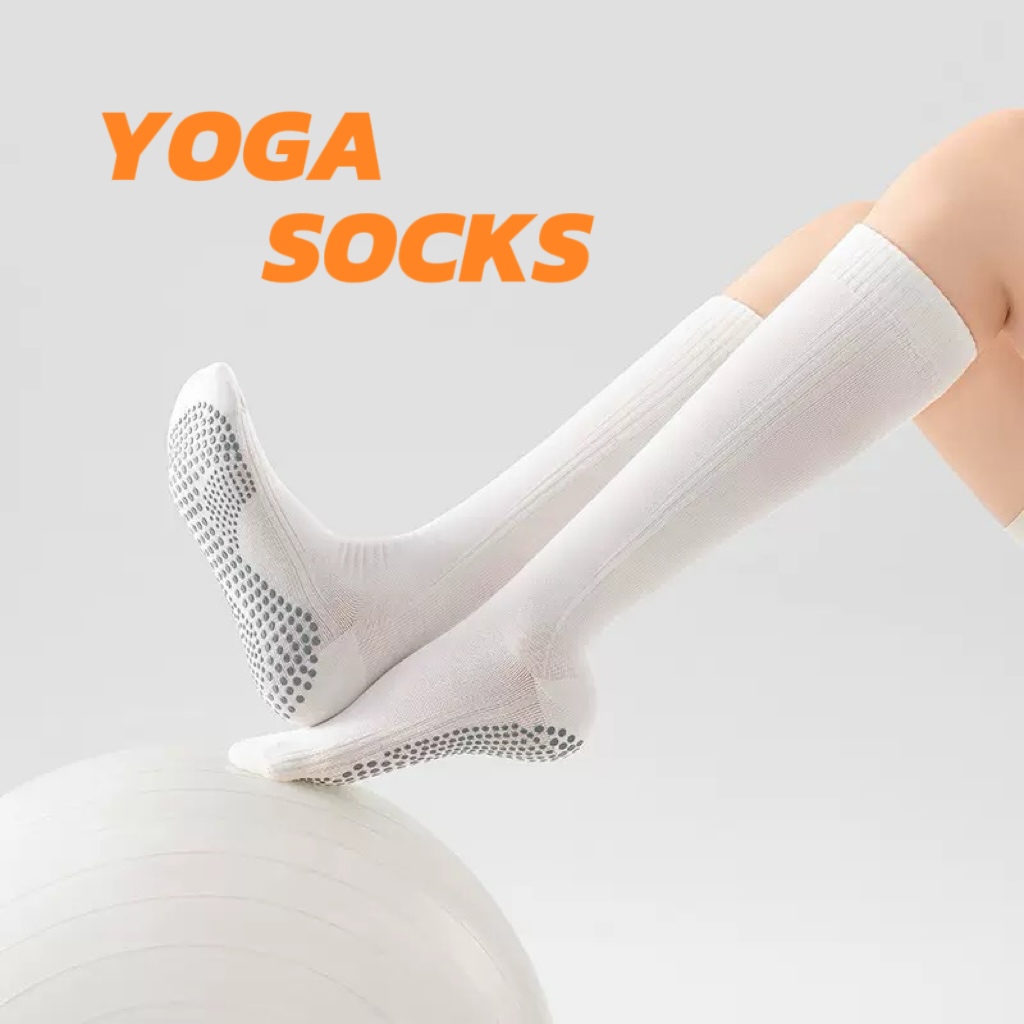
To optimize your inventory turnover, you must understand the nuanced differences between various categories of athletic grip footwear. While often used interchangeably by casual consumers, these products are engineered for highly specific physiological demands.
| Feature | Pilates Socks | Yoga Socks | Grip Sports Socks |
|---|---|---|---|
| Toe Design | Closed-toe for machine hygiene | Open-toe or half-toe for tactile feedback | Closed-toe with reinforced impact zones |
| Grip Focus | Heel and metatarsal concentration | Even distribution across the sole | Aggressive, thick rubber treads |
| Primary Material | Combed cotton blends | Lightweight cotton or bamboo | Terry-cushioned synthetic blends |
| Best Application | Reformer machines, Cadillacs | Mat work, balance poses | Barre, trampoline, martial arts |
Standard studio footwear is specifically optimized for equipment-based workouts. They typically feature a closed-toe design. The closed toe is heavily preferred in these environments primarily for hygiene, as feet frequently press against shared straps and footbars. Furthermore, the grip distribution is heavily concentrated on the heel and the metatarsal area, as these are the primary contact points when operating a Reformer carriage.
In contrast, Yoga Socks are meticulously designed to mimic the biomechanics of being completely barefoot on a mat. They frequently feature an open-toe or half-toe construction. This specific design allows the toes to spread naturally, providing the wearer with direct tactile feedback from the grounding surface. This sensory input is critical for making micro-adjustments and maintaining balance during complex standing poses. While they also feature traction soles, the emphasis is heavily placed on toe articulation and flexibility.
The broader category of Grip Sports Socks encompasses a wide range of applications, including barre classes, martial arts, trampoline parks, and even clinical use. These variants often prioritize entirely different features. For instance, barre-specific designs might include thicker terry cushioning inside the sole to protect the foot during repetitive relevé movements. Meanwhile, trampoline variants may feature a looser fit and highly aggressive, thick rubber treads that prioritize sheer slip-resistance over athletic performance or sleek aesthetic appeal.
For B2B buyers looking to truly elevate their retail strategy, transitioning from stocking generic brands to developing Original Equipment Manufacturer or white-label products is a logical and highly profitable progression. Customizing merchandise offers distinct advantages for building brand equity and driving customer retention.
When a studio invests in Custom Socks, they transform a functional, everyday necessity into a powerful marketing asset. By seamlessly integrating the studio’s logo, specific brand colorways, or motivational catchphrases into the knit of the fabric, clients effectively become walking billboards. Whether they are wearing them during a session, running errands at the grocery store, or posting post-workout selfies on social media, branded apparel exponentially increases local visibility and fosters a strong sense of community belonging.
One of the primary challenges for boutique retailers is the phenomenon of showrooming—when a client discovers a product in the studio but immediately purchases it cheaper online from massive e-commerce platforms. Custom designs completely eliminate this risk. By offering exclusive, branded merchandise that simply cannot be found on major retail websites or in big-box sporting goods stores, studios create a closed retail loop. Clients who desire the specific aesthetic associated with your brand must purchase directly from your front desk, thereby fiercely protecting your profit margins.
Modern manufacturing supply chains have made deep customization highly accessible, even for mid-sized businesses. Buyers can typically customize several structural and visual elements. Jacquard knitting allows logos to be woven directly into the fabric for ultimate durability, rather than just cheaply printing them on the surface. You can also request custom grip patterns, molding the silicone soles into the shape of your studio's logo. Finally, bespoke packaging—such as custom belly bands, hangtags, or compostable bags—reflects your brand's premium positioning right off the shelf.
Retail space is a valuable asset that must generate a measurable return on investment. Apparel and accessories can significantly boost your bottom line, provided the inventory is sourced and priced with a clear strategy. Understanding the financial mechanics of purchasing wholesale is essential for maintaining healthy cash flow.
When sourcing inventory directly from manufacturers, the Minimum Order Quantity is one of the most critical factors to negotiate. Suppliers set these limits to ensure their production runs are cost-effective. However, these requirements can sometimes strain a small studio's storage capacity. Fortunately, top-tier supply chain partners now offer low MOQ options. For bespoke designs featuring proprietary grip patterns, you can often secure production runs starting at just 100 to 200 pairs. This low barrier to entry prevents capital from being tied up in dead stock.
A prudent strategy for buyers is to balance the unit cost against inventory turnover. Ordering 1,000 pairs might reduce the cost per unit by 20 percent, but if your studio only moves 50 pairs a month, the capital recovery time is too slow. It is generally advisable to start with manageable batches to establish baseline sales data before committing to high-volume wholesale orders.
Effective inventory distribution prevents stagnant stock and ensures clients always find their perfect fit. Historical retail data in the boutique fitness sector suggests that neutral colors—such as black, charcoal, and navy—account for the vast majority of consistent, year-round sales. These foundational tones should form the absolute core of your inventory budget.
To drive impulse purchases, retailers should allocate 20 to 30 percent of their purchasing budget to limited-edition colors or trendy patterns. Rotating bright hues for summer or muted earth tones for autumn creates a sense of urgency and encourages repeat purchases. Regarding sizing, a standard distribution curve is most effective. The bulk of your inventory, roughly 60 percent, should cater to medium sizes, with smaller 20 percent allocations for both small and large sizes.
Establishing the right retail price is a delicate balancing act between perceived value and profit margin. As previously mentioned, keystone pricing is the industry standard. However, premium products often support much higher markups.
If you purchase high-quality footwear at a wholesale price of $4.50 to $6.00 per unit, a standard retail price of $18.00 to $22.00 yields a gross margin of over 60 percent. To justify this premium pricing, the product must demonstrate tangible quality: durable fabrics, secure silicone grips, and excellent washability. Bundling strategies—such as offering a 15 percent discount when clients purchase a three-pack—can increase the average transaction value while maintaining healthy overall margins.
The long-term success of your retail operation depends heavily on the reliability and capability of your supply chain partner. A poor manufacturing vendor can lead to frustrating stockouts, inconsistent sizing, or defective products that ultimately harm your studio’s reputation. Selecting a vendor requires rigorous evaluation across several key operational metrics.
Never commit to a bulk wholesale order without first conducting a thorough physical evaluation of product samples. The sampling phase is your ultimate safeguard. It allows you to test the manufacturer's claims regarding material composition and structural integrity firsthand. When evaluating a sample, stretch the fabric aggressively to check its recovery. Assess the silicone application; the grip material should be deeply bonded to the fabric, not merely resting on the surface. Most importantly, subject the sample to multiple machine wash and dry cycles. If the grips peel or the fabric pills significantly after just three washes, that manufacturer's quality control is insufficient for a premium environment.
In the retail sector, timing dictates revenue. Whether you are stocking up for the notoriously busy New Year fitness rush or preparing for a highly anticipated studio grand opening, your manufacturer must adhere to strict delivery schedules. When vetting a partner, inquire deeply about their standard production lead times—typically 30 to 45 days for custom orders—and their capacity to handle peak season volumes. A reliable supplier will provide a transparent timeline and realistic freight transit windows. Always build a buffer of at least two weeks into your ordering schedule to account for unforeseen logistical hurdles.
Modern consumers are increasingly conscious of the origins and impact of the products they purchase. Aligning your studio with a manufacturer that practices ethical labor standards and environmental responsibility serves as an incredibly strong selling point. Ask potential partners about their factory certifications, such as ISO 9001 for quality management or OEKO-TEX Standard 100, which ensures the textiles are completely free from harmful substances. Highlighting these ethical supply chain choices in your marketing copy easily justifies a premium retail price point.
To maintain a competitive edge and keep your retail display visually engaging, staying informed about the latest product innovations is imperative. Recent industry analyses and market reports highlight a significant shift in B2B purchasing behavior. The market has evolved significantly beyond basic, functional footwear. Today, it merges technical performance with studio-to-street aesthetics.
Data indicates that studio owners are increasingly moving away from purely functional, mass-produced items toward highly specialized, aesthetically driven designs. The consensus among retail strategy experts is clear. The modern wellness consumer views studio apparel as an extension of their everyday athleisure wardrobe. Retailers who fail to integrate fashion-forward silhouettes and sustainable materials are seeing a plateau in secondary revenue. This evolution underscores the necessity for buyers to partner with agile manufacturers capable of executing complex, trend-responsive designs.
Sustainability is no longer a niche preference; it is a mainstream consumer demand. Manufacturers are increasingly utilizing eco-friendly yarn blends to appeal to environmentally conscious demographics. Organic cotton, grown without synthetic pesticides, offers excellent breathability and a noticeably softer hand-feel. Additionally, recycled polyester—often derived from post-consumer plastic bottles—is being blended with natural fibers. This provides durability and moisture-wicking properties without relying entirely on virgin plastics.
While traditional ankle and crew cuts remain reliable staples, fashion-forward silhouettes have gained massive traction. The Mary-Jane style, characterized by an open top and crisscross elastic straps across the instep, is particularly popular right now. These designs offer functional benefits by keeping the fabric securely anchored during complex movements. However, their primary appeal is undeniably aesthetic. They mimic the elegant look of traditional dance shoes, blending high-performance grip with boutique fashion.
Client comfort directly dictates their workout experience and likelihood to return. Consequently, there is a rapidly growing trend toward incorporating terry-loop cushioning in the sole of the foot. This extra padding provides a crucial layer of shock absorption during high-impact sequences on hard studio floors. Furthermore, it significantly reduces the pressure exerted by the rigid footbar on a Reformer machine, allowing clients with sensitive feet to maintain proper form without wincing in discomfort.
Selecting the right grip footwear is far more than a simple purchasing task; it is a highly strategic business move. The inventory you choose directly impacts your studio's daily hygiene, the physical safety of your clients, and the overall health of your monthly revenue. You should never treat your retail space as an afterthought or a dusty corner of the waiting room. By investing in high-quality, thoughtfully branded merchandise, you elevate the client experience while simultaneously boosting your income. Ready to upgrade your studio's retail game? Explore premium, low-MOQ options and build your exclusive branded merchandise today by visiting socksupplychain.com to find the perfect match for your facility.
In the boutique fitness industry, a gross profit margin of 50 to 60 percent is considered the standard benchmark for success. This is typically achieved through keystone pricing, where the retail price is set at exactly double the wholesale cost. However, for premium, custom-branded merchandise that utilizes high-end eco-friendly materials or intricate grip designs, studios can often command margins upward of 65 percent. To maintain these healthy margins, it is crucial to negotiate favorable wholesale rates based on strategic, data-driven order volumes.
Yes, premium versions are specifically designed to withstand routine machine washing, but specific care protocols must be followed to extend their lifespan. It is highly recommended to wash them inside out on a gentle cycle using cold water. This simple step protects the silicone grip patterns from the harsh abrasion of other garments and the machine's agitator. Furthermore, they should always be air-dried. The high heat from a standard tumble dryer can quickly degrade the silicone, causing it to crack, peel, or lose its tacky traction over time.
The primary difference lies in the intended sensory feedback and the specific hygiene requirements of the workout. Open-toe designs leave the toes exposed, allowing them to spread naturally and grip the mat. This tactile connection is highly beneficial for balance-focused practices. Conversely, closed-toe designs enclose the entire foot. This style provides superior hygiene by preventing direct skin contact with shared studio equipment, making it the preferred and often mandated choice for machine-based workouts.
For a mid-sized studio introducing a brand new retail line, an initial order of 100 to 200 pairs is generally considered a safe and strategic test batch. This volume is usually sufficient to meet a premium supplier's low Minimum Order Quantity for custom knitting while keeping your overall inventory risk relatively low. It allows the studio owner to accurately gauge client interest, identify the most popular size brackets, and test the real-world durability of the product before committing significant capital to a larger wholesale order.
Regular cotton or synthetic socks lack any form of traction, making them a significant slip hazard on polished wooden studio floors and the slick vinyl upholstery of fitness equipment. Specialized grip footwear is engineered with silicone patterns on the sole that create high friction against smooth surfaces. This traction is absolutely essential for client safety, preventing dangerous falls. Additionally, the enhanced grip allows clients to engage their core muscles fully and maintain proper biomechanical alignment without the constant, frustrating distraction of their feet sliding out from under them.
The lifespan of studio footwear depends heavily on the frequency of use, the intensity of the workouts, and adherence to proper washing protocols. Generally, a high-quality pair worn twice a week and washed correctly will maintain optimal grip and elasticity for six to eight months. Once the silicone dots begin to peel or the fabric loses its compressive stretch around the arch, the slip-resistance is compromised, and the item should be immediately replaced to ensure client safety.
Absolutely. Beyond basic safety and hygiene, proper traction directly enhances biomechanical efficiency. When clients do not have to subconsciously worry about slipping on a carriage bed or wooden floor, they can focus entirely on muscle engagement and proper form. The added stability allows for deeper lunges, stronger planks, and more precise micro-adjustments, ultimately leading to a more effective and intensive workout session.


